
Easy default
Ride-hailing app
Door to door
- CheckPlate and driver name
- AdviceGenerally safe
- WhenDay or night
Hands-on checklist
Preparation · 9 items
Mark items as done. Your progress is saved on this device only.
0 / 9 ready
All set. All that is left is picking your day and how many are coming.
Secure your spotIs Rio de Janeiro safe for a sightseeing trip? Yes, with care: governments flag theft in the tourist areas and real danger in some favelas. Here is what they say.
Editorial team, riodejaneirotour.click · Updated November 11, 2026 · Takes 8 min
Quick look
Ask whether Rio is safe and you will hear stories at both extremes, so start with the governments that brief their own travelers. Australia sets its Brazil advice at a high degree of caution over violent crime, and Canada sits at that level too, pointing to high crime rates and gang violence in cities.1,2 Both describe a city where visitors keep sightseeing, with habits that lower the odds of trouble.
The detail is more useful than the headline. The UK says the incidents its citizens report most in Rio are thefts and pickpocketing, and it names Copacabana beach, Ipanema beach, Lapa and Santa Teresa.3 Canada adds that a robbery can happen in any tourist district of the city, naming Lapa, Santa Teresa and Copacabana beach as examples.9 In other words, the risk for a visitor is mostly about losing things in busy places, not about the landmarks being dangerous to stand at.
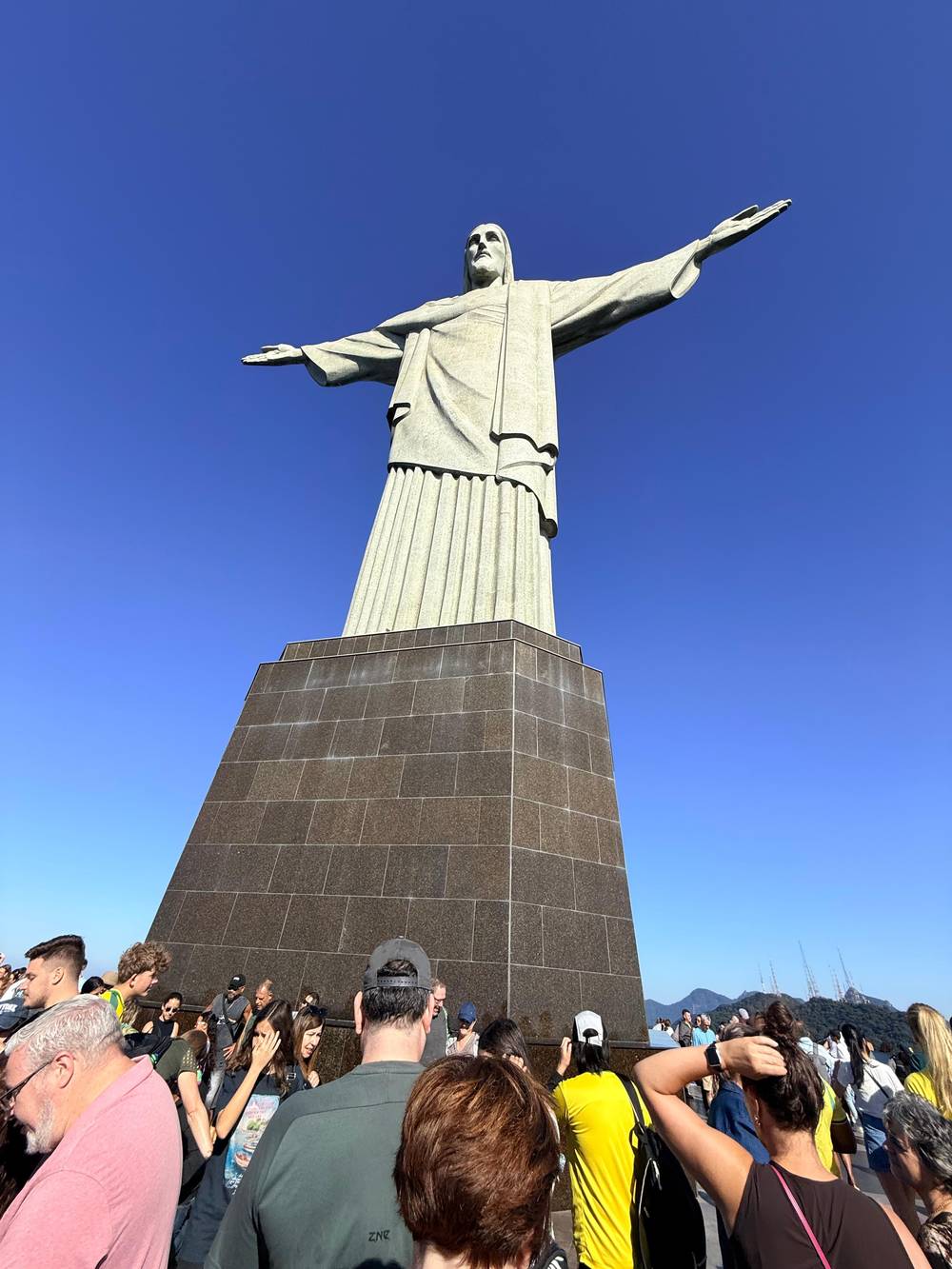
So is Rio de Janeiro safe to visit? Read together, the official advice is to go with care and keep careful habits all day. Australia lists its own crime hotspots for the city, from Copacabana and Ipanema to Pedra do Sal, the Christ the Redeemer statue and the Corcovado trail.10 Those are places you will want to see. The point is to see them alert, with little on you worth taking.
Area by area
| Place | What is reported | Your move |
|---|---|---|
| Copacabana beach | Theft, pickpocketing | Carry little, keep close3 |
| Ipanema beach | Theft, pickpocketing | Valuables stay at the hotel15 |
| Lapa | Robbery possible | Stay alert in crowds9 |
| Santa Teresa | Robbery possible | Walk in a group by day9 |
| Corcovado trail | Armed robberies | Go up by train or van20,21 |
| Pedra do Sal | Crime hotspot | Arrive and leave by app car10 |
| Complexo da Mare | Avoid all travel | Not on any visitor route22 |
| Complexo da Penha | Avoid all travel | Not on any visitor route22 |
Compiled from UK, Australian and Canadian travel advice for Brazil; read the latest version before you travel.3,10,22
The beach is where Rio relaxes, and that is exactly why thieves work it. The UK warns that thefts are common on public beaches, including arrastoes, when a big group runs along the sand snatching whatever lies loose.14 Australia says local authorities themselves advise against taking valuables and passports to the beach.15 Bring a towel, a little cash for drinks, sunscreen and a cheap phone or none, and lock everything else away in your room.
After sunset the advice changes from careful to firm. The UK puts it in a single sentence: keep belongings close, leave valuables behind, and do not go on to city beaches after dark.5 The promenade along Copacabana stays lively in the evening, but the sand itself empties, and that is when it stops being a place for visitors. Plan your sunset at Arpoador or on the seafront, then walk back along the lit avenue.
Paying for a coconut or a caipirinha brings its own small risk. Australia advises confirming the price before you pay a beach vendor by card, keeping the card in your own hand and using contactless where you can.16 The UK reports overcharging through card machines in busy tourist areas.17 The sea deserves respect too: Rio is among the places Australia names for strong rips, and Canada notes that some beaches have no lifeguards and that city beaches are often polluted.18,19
Habits for the day
Before leaving
On the move
Check the plate and driver name match the app.13
At the sights
Hotspot lists include the Christ statue and the big beaches.10
Late afternoon
Phone thefts peak between 4pm and 9pm.4
After dark
Stay on the lit promenade, not the beach.5
If one habit protects you more than any other in Rio, it is keeping the phone out of sight. British advice says buses see many robberies and that phones are the prize thieves want, with the late afternoon and evening, 4pm to 9pm, the worst stretch.4 Check the map before you leave a shop or a cafe, then walk with the phone in a front pocket. If you need directions mid-street, Canada suggests stepping into a business or a hotel to ask.24
Dress down rather than up. The UK list is short and practical: skip expensive jewelry and watches, carry little money, avoid using the phone in the street and keep the passport in a safe place.11 It also advises carrying a copy of the passport and a second photo ID.12 A photo of the passport on your phone is no substitute if the phone is the thing that goes, so a paper copy in a pocket is worth the minute it takes.
Cards bring their own traps. British advice flags cloned cards from cash points and shop terminals, and short express kidnappings, in which victims are driven to a cash machine and made to withdraw money.29,30 Use machines inside banks or shopping centers in daylight. If anyone threatens you, the UK advice is blunt: hand over what they ask for and do not resist.23
In the moment
Common moments in Rio and the official advice for each.
If Someone threatens me for my phone
Hand it over
The UK advises handing over valuables without resistance.23
If I am lost in the street
Step into a shop
Canada suggests asking in a business or a hotel.24
If A beach vendor asks for my card
Keep it in hand
Confirm the price and pay contactless where you can.16
If A stranger offers to buy drinks
Buy your own
Canada reports more spiked drinks in Rio; order and hold your own.25,26
If My GPS routes me up a hill
Change the route
The UK advises keeping GPS routes out of favelas.27
If I am robbed
Call 190
The UK lists 190 or 911 for the police in Brazil.28
Getting around
Easy default
Door to door

Fast and cheap
South Zone to center

Least hassle
Hotel pickup
How you move around matters as much as where you go. Australia rates registered cabs and app rides such as Uber as generally safe, with one habit attached: compare the car plate and the driver shown in the app before you open the door.31,13 It also advises against motorcycle taxis, which you will see waiting at the foot of many hills.32 For short hops between the beach districts, an app car at your hotel door is the easy choice, day or night.
The metro is a good way to cover the long run from the South Zone to the center. Canada points out that Rio has subway cars reserved for women and children, a useful option at busy hours.33 For bus and metro routes, Riotur, the city tourism agency, sends visitors to Moovit, which it calls the official transport app of the city.34 On buses, keep the phone away: the UK singles them out as a place where robberies are common.4
Your arrival is the trip where Canada is most specific. Between the international airport and town it favors official cabs, well-known ride apps or a hotel transfer, and steers travelers away from buses.35 Drivers in a hired car should also watch the navigation: the UK advises making sure a GPS route does not lead into a favela.27 Set the destination to a main road or your hotel, not to a shortcut.
Guided days
Pick a guided day with pickup and set your group size.
Choose from 4 options
Pick a guided day with pickup and set your group size.
≈
View≈
View≈
View≈
ViewStarting prices on GetYourGuide, exchanged at the ECB reference rate. The booking page gives the exact price.
People searching for areas to avoid in Rio de Janeiro usually hope for a list, and Canada gives a short one. It advises against all travel to the favela complexes of Complexo da Mare and Complexo da Penha, citing violent crime, large police operations and poor access for emergency help.22 Neither lies on any sightseeing route, but both sit beside main roads, which is why the GPS advice above matters.
Beyond named places, the advice covers favelas in general. The UK describes them as dense informal neighborhoods that can border areas tourists use, and says the security situation in many of them is unpredictable.36,37 It advises avoiding all favelas, including the tours sold to visitors, and Australia and Canada say much the same, Canada adding that a local guide does not make them safe for outsiders.6,7,8 Our page on favela tours sets out both sides in detail.
Hiking trails are the other case. The UK reports armed robberies of tourists on the Corcovado walking trail to the statue.20 Australia also lists the Corcovado trail among its crime hotspots for the city.10 The statue itself is reached by train, van or car, and those are the ways a guided day takes you up; if you want to hike in the forest, go with a guide and a group rather than alone.21
Video
Mark and Asya on YouTube · Your tap on play is what loads the video.
Keep your belongings close and avoid taking valuables to the beach. Do not go on to city beaches after dark.
Some of the advice is about people rather than places. Canada reports that spiked food and drink incidents are rising in Brazil, particularly in Rio de Janeiro, and London's advice is to order your own glass and never let it out of view.25,26 Neither is a reason to skip a bar; they are reasons to order at the counter, watch your glass and be wary of a stranger who is keen to buy rounds.
Large celebrations draw thieves as well as crowds. The UK warns that criminals target big events such as Carnival in the major cities.38 During Carnival or a big concert on Copacabana, carry even less than usual, keep cash split between pockets and pick a spot to regroup in case the crowd pulls you apart. The same goes for New Year on the beach, when the city fills with visitors.
Rio is also a city where most travelers are welcome as they are. British advice points out that Brazilian law allows same-sex relationships and marriage and gives LGBT+ couples equal legal rights.39 The everyday safety advice here applies to everyone in the same way. After dark the same habits matter more, and a ride app home beats a walk through empty streets.
A guided city day removes the part of the trip where visitors most often get lost or flustered: moving between sights with bags, maps and phones in hand. The day tour sold on this site collects guests from major hotels in Copacabana, Ipanema, Leblon, Leme and Barra da Tijuca and drops them back at the end. Between stops you sit in the vehicle rather than on a bus or at a taxi rank, and the guide decides the route.
At each stop the advice on this page still applies. Christ the Redeemer, the Selaron Steps and Sugarloaf are busy places, and the Christ statue appears on the Australian hotspot list.10 Keep the phone in your hand only for photos, wear the bag in front in the crowds on the platform, and leave passports in the hotel. A guide watches the group and the time, but no tour can hold your phone for you.
Know the numbers before you need them. The UK lists 190 or 911 for the police, 192 for an ambulance and 193 for the fire service.28 Canada also lists a tourist police unit in Rio de Janeiro, and the UK advises reporting a crime to the local police on 190.40,41 Save them in your phone and on paper, and carry travel insurance: the UK health advice for Brazil lists dengue, yellow fever and high UV levels among the risks.42
FAQ
The UK says theft and pickpocketing around the main beaches, Lapa and Santa Teresa top the list.3
The UK advises staying off city beaches after dark; keep to the lit promenade.5
The UK lists 192 for an ambulance and 193 for the fire service.28
The UK reports armed robberies of tourists on the walking trail to the statue.20
Brazilian law recognizes same-sex marriage and gives LGBT+ couples the same rights.39
Sources
Touring Rio? Ask a real person here.